Nourishing Your Body: Postpartum Food Guide
- Diénaba Diallo
- 6 mars
- 3 min de lecture

Welcoming a new baby into the world is a beautiful experience, but it can also be overwhelming. As a new parent, your body has gone through significant changes, and nourishing it is essential for recovery and well-being. This guide will help you navigate the postpartum period with a focus on nutrition, providing you with practical advice and delicious meal ideas to support your healing journey.
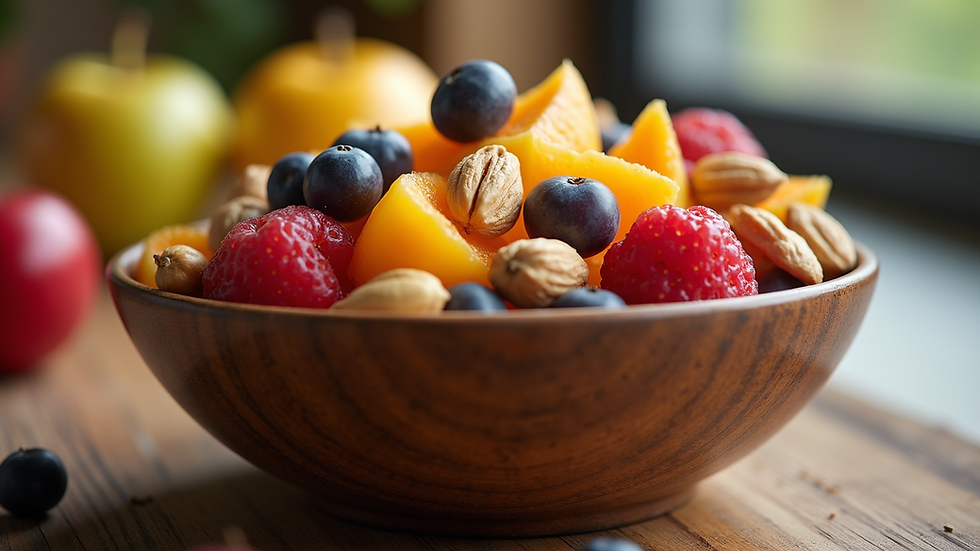
Understanding Postpartum Nutrition
After childbirth, your body needs time to heal and recover. Proper nutrition plays a crucial role in this process. Here are some key aspects to consider:
Energy Needs
During the postpartum period, your energy requirements may increase, especially if you are breastfeeding. It's essential to consume enough calories to support both your recovery and milk production. Aim for an additional 300-500 calories per day, focusing on nutrient-dense foods.
Nutrient-Rich Foods
Incorporate a variety of foods into your diet to ensure you get the necessary vitamins and minerals. Key nutrients to focus on include:
Protein: Supports tissue repair and muscle recovery. Include lean meats, fish, eggs, beans, and legumes.
Iron: Important for replenishing blood loss during childbirth. Sources include red meat, spinach, lentils, and fortified cereals.
Calcium: Essential for bone health, especially if breastfeeding. Dairy products, leafy greens, and fortified plant-based milks are great options.
Omega-3 Fatty Acids: Beneficial for brain health and may help with postpartum mood. Include fatty fish, flaxseeds, and walnuts.
Hydration
Staying hydrated is vital, especially if you are breastfeeding. Aim to drink plenty of water throughout the day. Herbal teas and broths can also contribute to your fluid intake.
Meal Ideas for Postpartum Recovery
Here are some delicious and nutritious meal ideas to help you nourish your body during the postpartum period:
Breakfast
Overnight Oats: Combine rolled oats, yogurt, chia seeds, and your favorite fruits. This meal is rich in fiber and protein, keeping you full and energized.
Smoothie Bowl: Blend spinach, banana, and almond milk, then top with nuts, seeds, and berries for a nutrient-packed breakfast.
Lunch
Quinoa Salad: Mix cooked quinoa with black beans, corn, diced bell peppers, and avocado. Drizzle with lime juice for a refreshing meal.
Vegetable Soup: A hearty vegetable soup loaded with carrots, celery, and leafy greens can be comforting and nourishing.
Dinner
Grilled Salmon: Serve with roasted sweet potatoes and steamed broccoli for a balanced meal rich in omega-3s and vitamins.
Stir-Fried Tofu and Vegetables: Quick and easy, this dish can be customized with your favorite veggies and served over brown rice.
Snacks
Nut Butter and Apple Slices: A simple yet satisfying snack that provides protein and healthy fats.
Greek Yogurt with Honey and Berries: This combination offers probiotics, antioxidants, and a touch of sweetness.
Meal Prep Tips for New Parents
Finding time to cook can be challenging with a newborn. Here are some meal prep tips to make your life easier:
Batch Cooking
Prepare large quantities of meals and freeze portions for later. Soups, stews, and casseroles freeze well and can be easily reheated.
Simple Recipes
Focus on recipes with minimal ingredients and quick cooking times. One-pan meals or slow cooker recipes can save you time and effort.
Snack Packs
Create snack packs with nuts, dried fruits, and granola bars for easy access to healthy snacks throughout the day.
Support from Family and Friends
Don’t hesitate to ask for help. Family and friends can support you by preparing meals or bringing over nutritious snacks. Consider setting up a meal train to ensure you have healthy options during the early weeks of parenthood.
Emotional Well-Being and Nutrition
Nutrition is not just about physical health; it also impacts your emotional well-being. Certain foods can help improve your mood and energy levels:
Dark Chocolate: A small piece can boost your mood and provide antioxidants.
Berries: Rich in vitamins and antioxidants, they can help combat stress.
Leafy Greens: Foods like spinach and kale are high in folate, which is linked to improved mood.
Conclusion
Nourishing your body during the postpartum period is crucial for recovery and overall well-being. By focusing on nutrient-dense foods, staying hydrated, and seeking support from loved ones, you can ensure that you are taking care of yourself while caring for your new baby. Remember, it’s okay to ask for help and prioritize your health. Embrace this journey with love and nourishment, and you will thrive in your new role as a parent.


Commentaires