Essential Postpartum Foods for New Moms
- Diénaba Diallo
- 6 mars
- 4 min de lecture

Bringing a new life into the world is a monumental experience, but it can also take a toll on a mother's body. After childbirth, new moms need to focus on recovery and nourishment. The right foods can help replenish lost nutrients, support healing, and provide energy for the demanding days ahead. In this post, we will explore essential postpartum foods that can aid recovery and promote overall well-being.

Understanding Postpartum Nutrition
Postpartum nutrition is crucial for several reasons:
Healing: After childbirth, the body needs to heal from the physical stress of labor and delivery.
Energy: New mothers often experience fatigue due to sleepless nights and the demands of caring for a newborn.
Breastfeeding: If a mother chooses to breastfeed, her nutritional needs increase to support milk production.
Key Nutrients for New Moms
Certain nutrients are particularly important during the postpartum period:
Iron: Helps replenish blood loss during delivery.
Calcium: Supports bone health, especially for breastfeeding mothers.
Protein: Essential for tissue repair and recovery.
Omega-3 Fatty Acids: Important for brain health and mood stabilization.
Fiber: Aids digestion and helps prevent constipation, which can be common after childbirth.
Essential Foods for Postpartum Recovery
Leafy Greens
Leafy greens like spinach, kale, and Swiss chard are packed with vitamins A, C, and K, as well as iron and calcium. These nutrients are vital for recovery and can help boost energy levels. Incorporating leafy greens into meals can be as simple as adding them to smoothies, salads, or omelets.
Whole Grains
Whole grains such as quinoa, brown rice, and oats provide essential carbohydrates for energy. They are also rich in fiber, which can help with digestion. A hearty bowl of oatmeal topped with fruits and nuts makes for a nutritious breakfast that can keep a new mom energized throughout the morning.
Lean Proteins
Lean proteins like chicken, turkey, fish, and legumes are crucial for tissue repair and muscle recovery. Fish, particularly fatty fish like salmon, is also a great source of omega-3 fatty acids, which can help improve mood and cognitive function. Aim for at least two servings of fish per week, ensuring to choose low-mercury options.
Nuts and Seeds
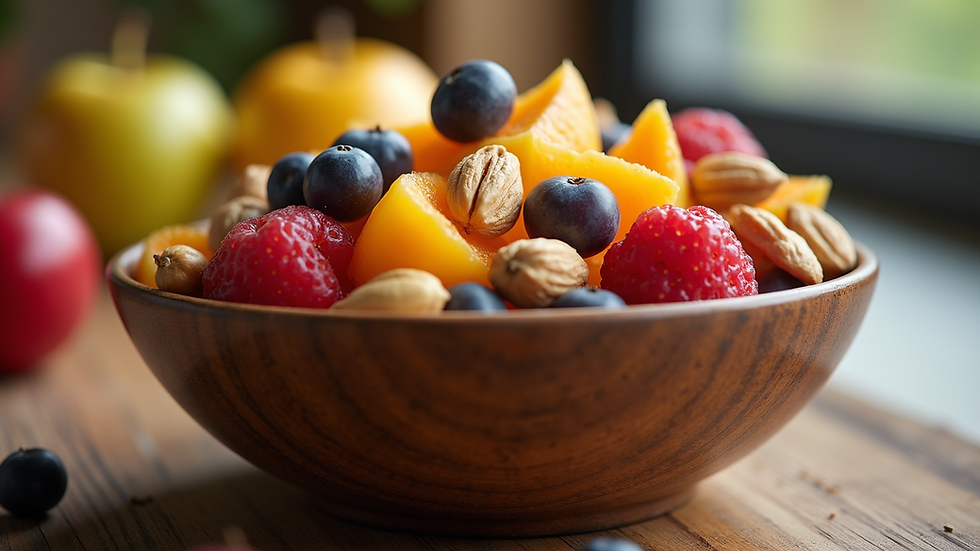
Nuts and seeds are nutrient-dense snacks that provide healthy fats, protein, and fiber. Almonds, walnuts, chia seeds, and flaxseeds are excellent choices. They can be easily added to smoothies, yogurt, or salads for an extra nutritional boost.
Fruits
Fruits are not only delicious but also packed with vitamins, minerals, and antioxidants. Berries, bananas, and oranges are particularly beneficial. They can help satisfy sweet cravings while providing essential nutrients. A fruit salad or a smoothie can be a refreshing snack for busy moms.
Dairy or Dairy Alternatives
Dairy products like yogurt and cheese are rich in calcium and protein. If lactose intolerant or preferring plant-based options, fortified almond milk or soy yogurt can be great alternatives. These foods can support bone health and provide necessary nutrients for breastfeeding.
Healthy Fats
Incorporating healthy fats into the diet is essential for hormone regulation and overall health. Avocados, olive oil, and fatty fish are excellent sources. A simple avocado toast topped with seeds can be a quick and nutritious meal.
Meal Ideas for New Moms
Breakfast
Overnight Oats: Combine rolled oats with yogurt or milk, chia seeds, and your favorite fruits. Let it sit overnight for a quick, nutritious breakfast.
Smoothie Bowl: Blend spinach, banana, and almond milk, then top with nuts, seeds, and berries for a filling breakfast.
Lunch
Quinoa Salad: Mix cooked quinoa with cherry tomatoes, cucumber, feta cheese, and a drizzle of olive oil for a refreshing lunch.
Wraps: Use whole grain tortillas filled with lean protein, leafy greens, and hummus for a satisfying meal.
Dinner
Stir-Fry: Sauté a mix of colorful vegetables with chicken or tofu and serve over brown rice or quinoa.
Baked Salmon: Season salmon fillets with herbs and lemon, bake, and serve with steamed broccoli and sweet potatoes.
Snacks
Nut Butter and Apple Slices: A quick and nutritious snack that provides protein and fiber.
Trail Mix: Combine nuts, seeds, and dried fruits for an easy grab-and-go snack.
Hydration Matters
Staying hydrated is just as important as eating well. New moms should aim to drink plenty of water throughout the day, especially if breastfeeding. Herbal teas and infused water with fruits can also help keep hydration levels up.
Support Systems
While focusing on nutrition is essential, new moms should also seek support from family and friends. Meal prepping or having a meal train can alleviate the stress of cooking during those early weeks. Consider reaching out to loved ones for help with meal preparation or grocery shopping.
Final Thoughts
Postpartum recovery is a journey that requires attention to nutrition and self-care. By incorporating these essential postpartum foods into your diet, you can support your body’s healing process and maintain energy levels. Remember, every mother’s experience is unique, so listen to your body and adjust your diet as needed. Nourishing yourself is not just beneficial for you but also for your baby.
Take the time to enjoy your meals, experiment with new recipes, and don’t hesitate to ask for help when you need it. Your health and well-being are paramount during this transformative time.

Commentaires